 javedkhatri43255
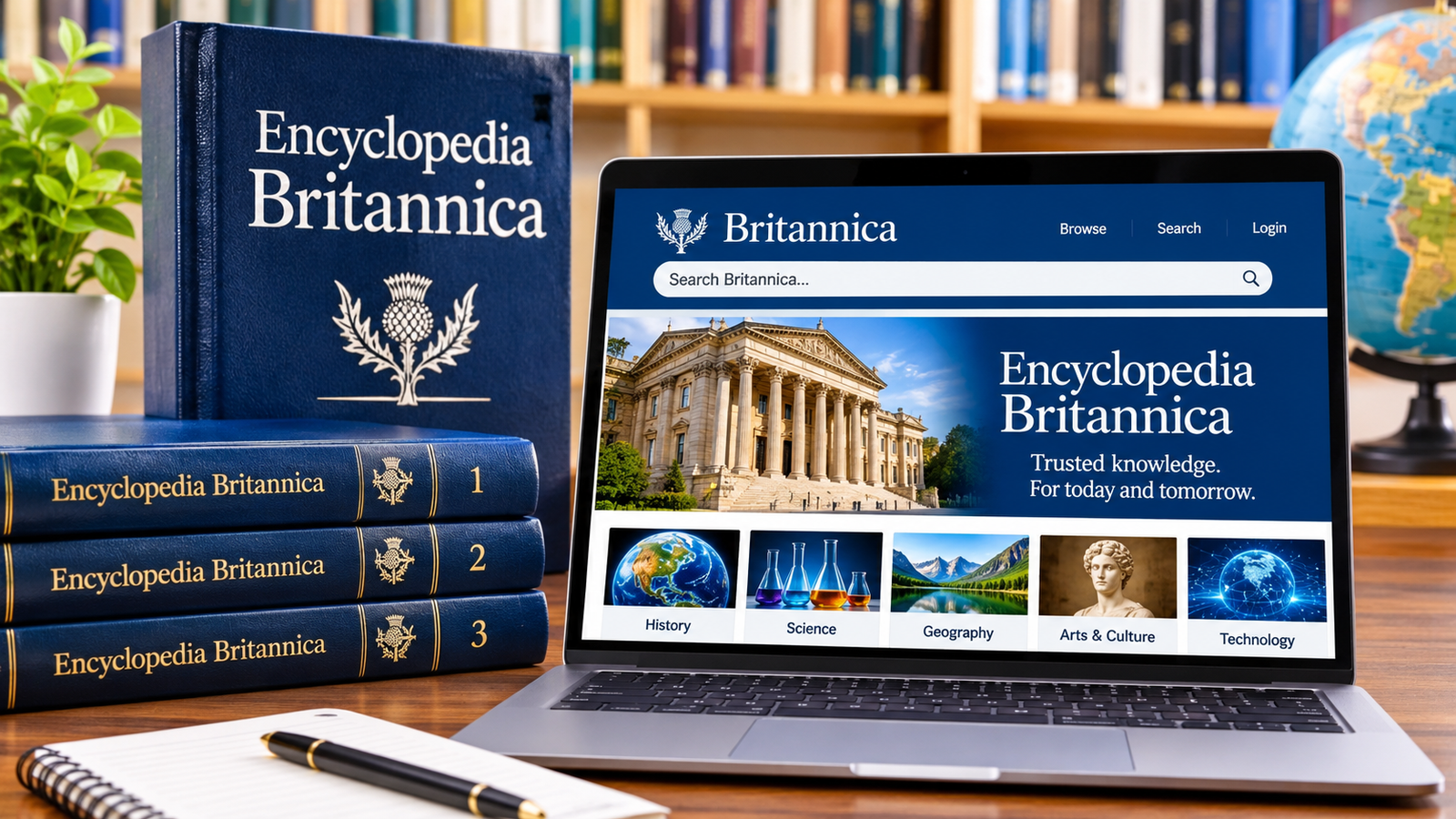
Encyclopedia Britannica is one of the world’s best-known reference works. It helps readers learn about history, science, geography, famous people, technology, and many other subjects. For generations, students, teachers, researchers, and curious readers have used Britannica to find clear and organized information. Today, it offers digital content alongside its long history as a printed encyclopedia.
Although people can find information quickly through search engines, Britannica remains useful because it focuses on researched articles and editorial review. Its long history also makes it an important part of modern reference publishing. Whether someone needs help with schoolwork or wants to understand an unfamiliar topic, Encyclopedia Britannica offers a useful starting point for learning.
What Is Encyclopedia Britannica?
Encyclopedia Britannica is a general knowledge encyclopedia that covers a wide range of subjects. It began as a printed reference work and later expanded into digital publishing. Its articles explain important ideas, events, discoveries, places, and people in a format designed to help readers understand a topic.
Unlike a dictionary, which mainly explains word meanings, an encyclopedia provides broader information. For example, a dictionary might define a volcano, while an encyclopedia article can explain how volcanoes form, why eruptions happen, and where major volcanoes exist.
Britannica serves different types of readers. Students can use it to begin research, teachers can use it as a reference, and general readers can explore subjects that interest them. However, readers should check publication dates and compare information when researching topics that change quickly.
The History of Encyclopedia Britannica
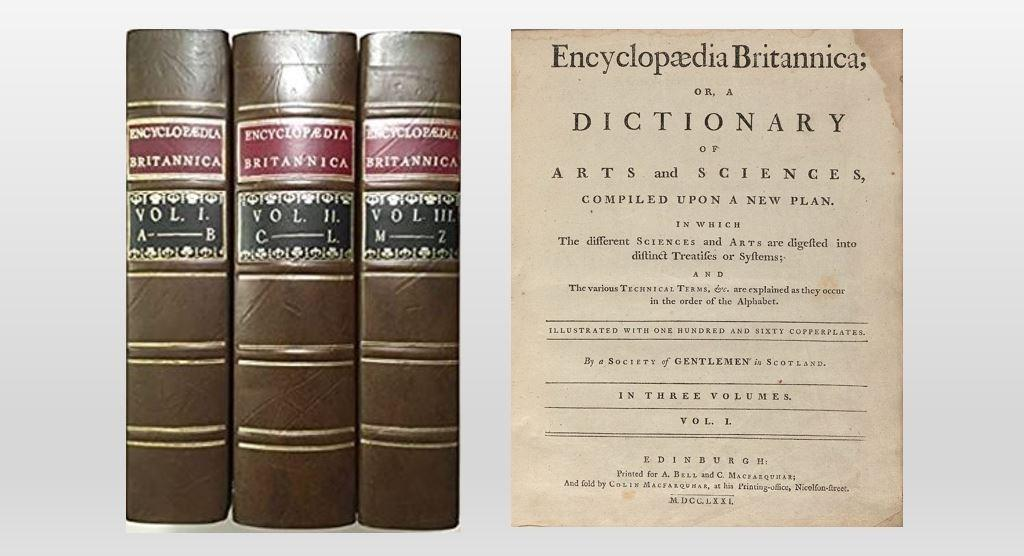
Encyclopedia Britannica has a history that stretches back to the eighteenth century. Its first edition appeared in Edinburgh, Scotland, in 1768. The original project aimed to organize knowledge in a useful reference work at a time when printed books played a central role in education and research.
The first edition developed over several years and contained three volumes by 1771. As demand for reference materials grew, later editions expanded the encyclopedia’s coverage and updated its content. Over time, Britannica became known internationally as a major English-language encyclopedia.
Printing technology, education, and public access to information changed significantly during the following centuries. Britannica adapted by revising editions, adding new subjects, and improving the way it presented information.
Eventually, digital publishing transformed how readers accessed reference material. The company ended regular production of its printed encyclopedia set in 2012 after more than two centuries of print editions. Its digital services continued, allowing readers to access information through computers and other internet-connected devices.
This change reflected a wider shift in publishing. Digital resources can update information more easily than large printed sets, although readers still need to consider the accuracy and publication date of individual articles.
What Topics Does Encyclopedia Britannica Cover?
Britannica covers many areas of knowledge, making it useful for readers with different interests. Its broad subject range helps people explore unfamiliar ideas and develop a stronger understanding of the world.
Major subject areas include:
- History: Learn about ancient civilizations, major wars, historical leaders, and important events.
- Science: Explore biology, chemistry, physics, space, and scientific discoveries.
- Geography: Understand countries, continents, cities, landscapes, and the natural environment.
- Biographies: Read about influential leaders, scientists, writers, artists, and other notable people.
- Arts and culture: Discover literature, music, visual arts, traditions, and cultural movements.
- Technology: Learn about inventions, computing, communication, and technological developments.
- Society and politics: Explore governments, political systems, social issues, and institutions.
Because these subjects connect with one another, readers can use encyclopedia articles to build a wider understanding of a topic. For instance, learning about the Industrial Revolution may lead someone to explore inventions, economic changes, working conditions, and the growth of cities.
Why Is Encyclopedia Britannica Useful?
One major benefit of Britannica is its organized approach to information. Instead of presenting a long list of unrelated search results, an encyclopedia article generally explains a topic in a structured format. This approach can help readers understand the main facts before exploring more detailed sources.
Britannica also has an established editorial tradition. Its content aims to provide informative explanations rather than simply collecting unreviewed comments from internet users. This makes it a helpful starting point for learning about unfamiliar subjects.
Another advantage is convenience. Digital reference material allows readers to search for topics without carrying heavy books. Students can use online articles to develop background knowledge, while adults can explore subjects related to their hobbies, work, or general interests.
Nevertheless, no single reference source answers every question. Some subjects change quickly, particularly technology, medicine, law, and current affairs. Readers should check when an article was published or updated and consult appropriate specialist sources when accuracy is especially important.
Encyclopedia Britannica vs. Wikipedia
Encyclopedia Britannica and Wikipedia both help people find information, but they use different publishing models.
Britannica relies on an editorial process to prepare and review its reference content. Wikipedia, on the other hand, allows volunteers to create and edit articles under its community rules. Both platforms cover many subjects, and the quality of an individual article can vary.
Britannica may suit readers who prefer a traditionally edited reference source. Wikipedia can be useful for quickly exploring a broad topic and finding references for further reading. However, readers should evaluate sources carefully on either platform.
For school assignments and research projects, it is wise to check the references behind important claims rather than relying on a single website. Comparing credible sources can also reveal differences in interpretation, missing context, or outdated information.
How to Use Encyclopedia Britannica Effectively

Readers can get more value from an encyclopedia by approaching research with a clear question. First, identify the subject you want to understand. Next, look for an article that directly addresses it and read the introduction to learn the main idea.
After that, note important names, dates, terms, and explanations. If the article introduces an unfamiliar concept, explore that concept separately. This step-by-step method makes complicated subjects easier to understand.
Students should summarize information in their own words instead of copying paragraphs directly. They should also follow their school’s citation requirements when using reference material in assignments. For topics that involve recent events or changing facts, check the publication date and compare the article with current, reliable sources.
Is Encyclopedia Britannica Still Relevant Today?
Yes, Encyclopedia Britannica remains relevant because people still need dependable ways to understand information. Search engines can locate thousands of pages in seconds, but a large number of results does not automatically mean that the information is accurate or easy to understand.
An encyclopedia can provide a useful introduction before readers move to specialist books, academic papers, official documents, or other reliable sources. Its long publishing history also demonstrates how reference works have adapted to changes in technology and reading habits.
At the same time, modern readers should think critically. They should distinguish established facts from opinions, check whether information is current, and seek expert guidance for important decisions.
Frequently Asked Questions
What is Encyclopedia Britannica best known for?
Encyclopedia Britannica is best known for its broad collection of reference articles covering history, science, geography, biographies, culture, and other subjects.
When was Encyclopedia Britannica first published?
Its first edition appeared in Edinburgh, Scotland, in 1768. The first edition eventually comprised three volumes, completed in 1771.
Is Encyclopedia Britannica available in print?
The company ended regular production of its printed encyclopedia set in 2012. Britannica continues to provide digital reference content.
Is Encyclopedia Britannica better than Wikipedia?
Neither source is automatically best for every purpose. Britannica uses an editorial publishing model, while Wikipedia relies on community editing. Readers should evaluate the quality, relevance, and freshness of the information they use.
Can students use Encyclopedia Britannica for research?
Yes. Students can use it to understand a subject and identify important background information. They should follow their school’s citation rules and consult additional sources when assignments require detailed evidence.
Final Thoughts
Encyclopedia Britannica has evolved from an eighteenth-century printed reference work into a modern digital knowledge resource. Its organized articles cover a wide range of subjects and help readers build an understanding of unfamiliar topics.
Although online information is now widely available, Britannica can still serve as a useful starting point for learning. Readers get the best results when they read carefully, check publication dates, and compare important claims with other credible sources.
read more: https://velmoramagazine.co.uk/